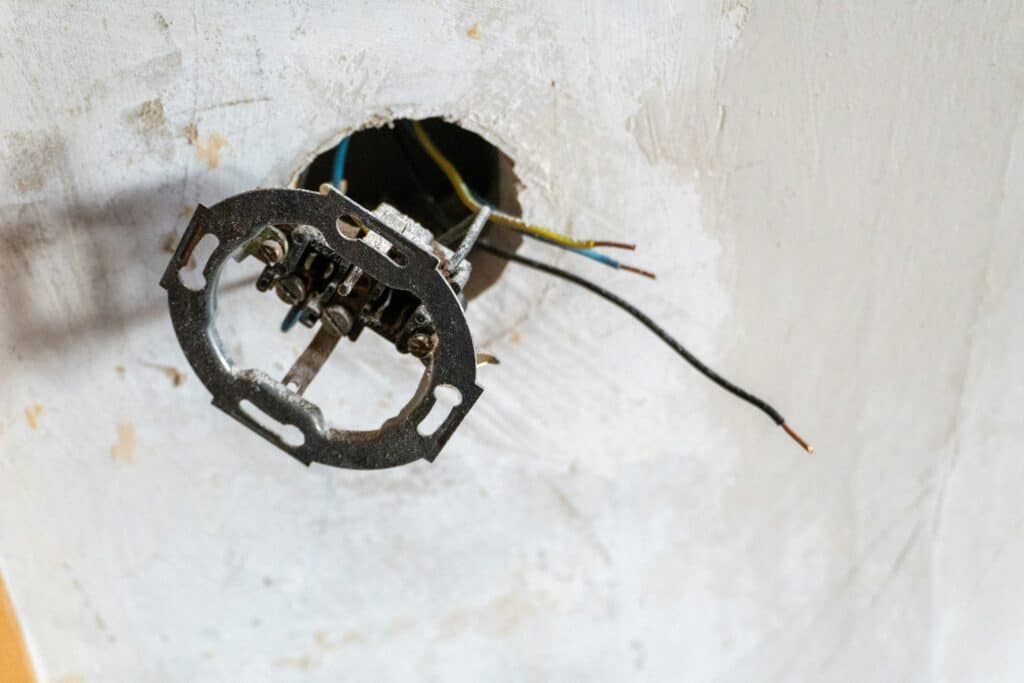

If you’re asking “Do I need to upgrade my fusebox?”, chances are you’ve either noticed something unusual, bought an older property, or had an electrician mention your consumer unit.
The short answer?
If your fusebox is old, has no RCD protection, or still uses rewireable fuses, you should strongly consider upgrading.
But let’s break this down properly so you can make an informed decision.
What Is a Fusebox?
A fusebox — now more commonly called a consumer unit — is the heart of your home’s electrical system.
It controls and distributes electricity safely throughout your property. Modern units contain:
- Circuit breakers (MCBs)
- RCDs (Residual Current Devices)
- Sometimes RCBOs (combined protection)
- Surge protection devices (in newer installations)
Older fuseboxes, especially those installed before the early 2000s, often use rewireable fuses. These provide far less protection compared to modern systems.
The Difference Between Old Fuseboxes and Modern Consumer Units
Old-Style Fusebox
- Rewireable fuse wire
- No RCD protection
- Limited fault detection
- Higher fire risk
- Slower trip response
Modern Consumer Unit (18th Edition Compliant)
- Instant circuit isolation
- RCD or RCBO protection
- Better shock protection
- Fire prevention technology
- Surge protection options
Modern units comply with BS 7671 (18th Edition Wiring Regulations), which significantly improved safety standards across the UK.
If your fusebox predates these standards, it may not meet current safety expectations.
Signs You May Need to Upgrade Your Fusebox
If you’re unsure whether you need an upgrade, look for these common warning signs:
Your Fusebox Has Rewireable Fuses
If you see removable fuse carriers with wire inside, it’s outdated.
No RCD Protection
RCDs shut off power instantly if a fault is detected. Without them, you’re at higher risk of electric shock.
Frequent Tripping
Repeated circuit trips may indicate:
- Overloaded circuits
- Deteriorating wiring
- Internal faults
Burning Smells or Discolouration
This is a serious warning sign. Heat damage suggests unsafe connections.
You’re Renovating or Extending
Any significant electrical work may require upgrading your consumer unit to meet regulations.
You’re a Landlord
Since July 2020, rental properties must meet electrical safety standards under the Electrical Safety Standards in the Private Rented Sector (England) Regulations. An outdated fusebox can cause you to fail an EICR.
Is It Illegal to Have an Old Fusebox?
No, it isn’t illegal simply because it’s old.
However, if your electrical installation is deemed unsafe during an EICR (Electrical Installation Condition Report), you may be required to upgrade it.
For landlords, failing to maintain safe electrics can result in enforcement action from local authorities.
Insurance companies may also question claims if outdated electrical systems are involved in a fire.
Do I Need to Upgrade My Fusebox When Buying a House?
If you’re purchasing an older property, especially one built before 2000, it’s worth checking:
- Does it have RCD protection?
- Is it plastic or metal?
- Has it been upgraded to 18th Edition standards?
A fusebox upgrade is often one of the first improvements homeowners make after moving in, particularly if they plan renovations.
How Much Does a Fusebox Upgrade Cost in the UK?
Costs vary depending on:
- Number of circuits
- Property size
- Accessibility
- Additional remedial work required
Typically, homeowners can expect a consumer unit replacement to range between £450–£750 for a standard domestic property.
At Electric Cal Solutions, we always carry out full testing before and after installation to ensure your system is safe and compliant.
(Exact pricing depends on your property — we provide clear, upfront quotes.)
Will a New Fusebox Make My Home Safer?
Yes — significantly.
Modern consumer units:
- Detect faults instantly
- Reduce electric shock risk
- Lower fire risk
- Protect expensive appliances
- Meet current wiring regulations
They also provide peace of mind — especially important for families and landlords.
When You Might Not Need an Upgrade
You may not need a replacement if:
- Your unit already has RCD/RCBO protection
- It’s a modern metal enclosure
- It passes an EICR without C1, C2 or FI codes
An honest electrician will always assess before recommending replacement.
Should I Upgrade My Fusebox Now or Wait?
If your fusebox is:
- More than 20–25 years old
- Lacking RCD protection
- Showing signs of damage
- Failing an EICR
Then waiting increases risk.
Electrical systems don’t improve with age. They deteriorate.
Upgrading is often cheaper and safer than dealing with emergency repairs after a failure.
How Electric Cal Solutions Can Help
At Electric Cal Solutions, we:
- Inspect your existing fusebox
- Provide honest advice
- Explain whether an upgrade is necessary
- Install 18th Edition compliant consumer units
- Carry out full certification and testing
- Notify building control where required
We work with homeowners, landlords and letting agents across the area to ensure properties remain safe and compliant.
If you’re unsure whether you need to upgrade your fusebox, we’re happy to inspect it and advise properly — no pressure, just clear guidance.