Without Putting Your Home at Risk
With energy bills still a major concern for UK households, it’s no surprise that many homeowners are looking for ways to cut costs wherever possible. Small changes can make a big difference — but only if they’re done safely.
Electrical shortcuts, overloaded sockets, or cheap “energy-saving” gadgets can end up costing far more in the long run, especially if they lead to faults, damaged appliances, or even fire risks.
This guide explains practical, proven ways to save money on your energy bills, while keeping your home compliant, safe, and protected.
Why Electrical Safety Matters When Trying to Save Money
When money is tight, it’s tempting to run more devices from one socket, delay repairs, or rely on old appliances longer than you should. Unfortunately, electrical systems aren’t forgiving.
Unsafe electrics are one of the leading causes of house fires in the UK. Cost-cutting measures that ignore safety can quickly undo any savings — and create serious risks for your family.
Saving money should never mean cutting corners on safety.
Smart Ways to Reduce Energy Costs Safely
1. Avoid Overloading Plug Sockets
Plugging too many appliances into one socket — especially using cheap extension leads — is a common cause of overheating and electrical fires.
Safer alternatives include:
- Using wall-mounted extension leads with surge protection
- Spreading high-power appliances across different circuits
- Having additional sockets installed where needed
If your home doesn’t have enough sockets for modern living, a qualified electrician can resolve this properly — without relying on unsafe workarounds.
2. Use Appliances at Off-Peak Times (If You’re on the Right Tariff)
If you’re on an off-peak or time-of-use tariff, running appliances like washing machines or dishwashers during cheaper hours can reduce costs.
However, always:
- Use appliances according to manufacturer instructions
- Avoid running tumble dryers or washing machines unattended overnight
- Ensure appliances are in good working order
Saving a few pounds isn’t worth the risk of leaving faulty equipment running while you sleep.
3. Don’t Fall for “Plug-In Energy-Saving Devices”
You may have seen small plug-in devices online claiming to slash energy bills instantly. Independent testing and consumer investigations have shown that many of these products:
- Offer little to no real savings
- Are poorly made
- Can present electrical safety risks
If something sounds too good to be true, it usually is. Genuine energy savings come from efficiency, not gimmicks.
4. Heat the Person, Not the Property — Safely
Wearing layers, using blankets, and insulating rooms you actually use are effective ways to stay warm without constantly running the heating.
If you use electric heaters:
- Only use certified, modern units
- Keep them clear of furniture and soft furnishings
- Never leave them unattended
Old or damaged heaters should be replaced — they’re a common cause of fires.
5. Turn Off Standby Power (Properly)
Many appliances still use electricity when left on standby. Turning them fully off can reduce unnecessary energy use over time.
Rather than constantly plugging and unplugging devices:
- Use switched sockets
- Install power strips with built-in switches
- Consider smart plugs approved for UK use
Avoid repeatedly pulling plugs from sockets — this can damage wiring over time.
When Saving Money Means Upgrading, Not Delaying
It may feel counter-intuitive, but sometimes spending a little saves more in the long run.
Old Wiring and Consumer Units Cost You More
Outdated electrical systems can:
- Waste energy
- Cause nuisance tripping
- Damage appliances
- Increase fire risk
Modern consumer units and properly designed circuits are safer, more reliable, and often more energy-efficient.
Grants and Support You Might Be Missing
Many UK homeowners aren’t aware that financial help may be available for insulation and energy-efficiency improvements.
Schemes such as government-backed energy efficiency grants can help reduce heating costs significantly, especially in older properties.
While these schemes change over time, improving insulation and reducing heat loss remains one of the most effective ways to lower energy bills safely.
The Hidden Cost of Ignoring Electrical Problems
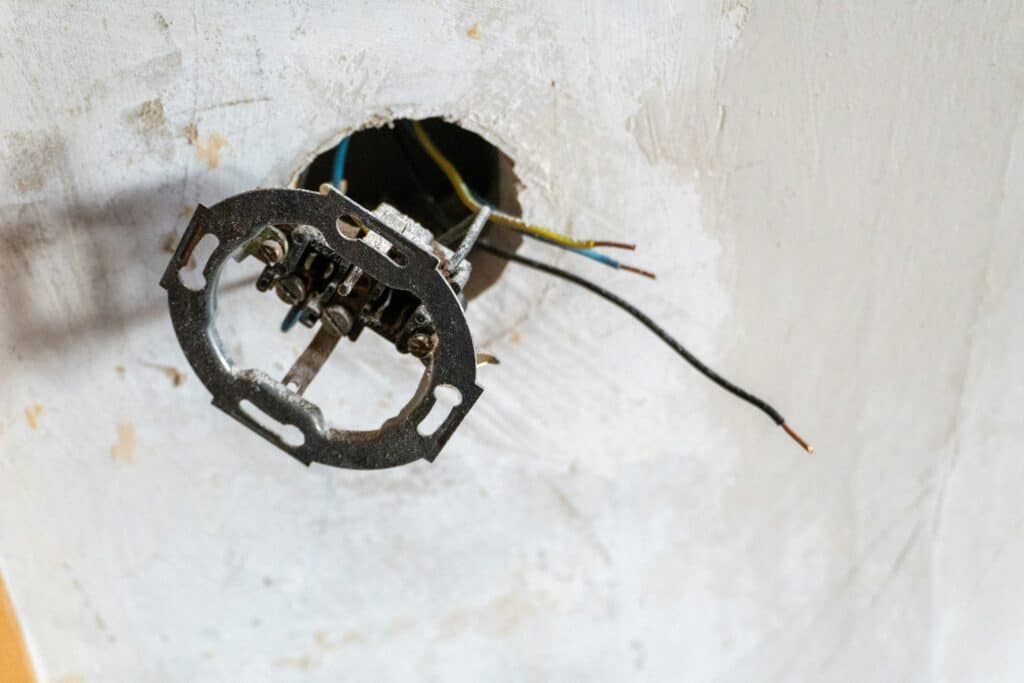
Flickering lights, burning smells, buzzing sockets, or regularly tripping breakers aren’t just annoyances — they’re warning signs.
Ignoring electrical faults can lead to:
- Higher energy usage
- Appliance damage
- Costly emergency repairs
- Serious safety hazards
Early inspection and maintenance almost always cost less than dealing with a failure later.
How Electric-Cal Solutions Can Help
At Electric-Cal Solutions, we help homeowners save money the right way — by ensuring electrical systems are safe, efficient, and compliant with UK regulations.
Whether you need:
- Additional sockets installed
- Electrical fault finding
- Consumer unit upgrades
- Energy-efficient lighting
- Safety inspections
We provide honest advice with safety first — no unnecessary work, no pressure.
Emergency call-outs start at £80, including the first hour.
Final Thoughts
Saving money during difficult times is important — but your safety should never be compromised.
Real savings come from:
- Safe electrical systems
- Efficient appliances
- Smart usage habits
- Proper professional advice
If you’re unsure whether your electrics are helping or hurting your energy bills, getting them checked could be one of the smartest investments you make.
If in doubt — get it checked. Your home, your safety, and your peace of mind are worth it.